Anyone who has spent time around Ataşehir and the Ferhatpaşa corridor on Istanbul’s Anatolian side knows that this area has evolved well beyond office buildings and retail units. It has become a hub for small and mid-sized industrial businesses with real production capacity. The portfolio I want to cover today fits this profile exactly: an actively operating laser cutting and sheet metal processing facility being offered as a turnkey transfer. Evaluating a business like this requires looking not just at the machinery itself, but also at the commercial character of the surrounding area, the facility’s operational capacity, and what the handover process actually involves. That’s what I’ll walk through in this piece.
What the Facility Offers: A General Overview
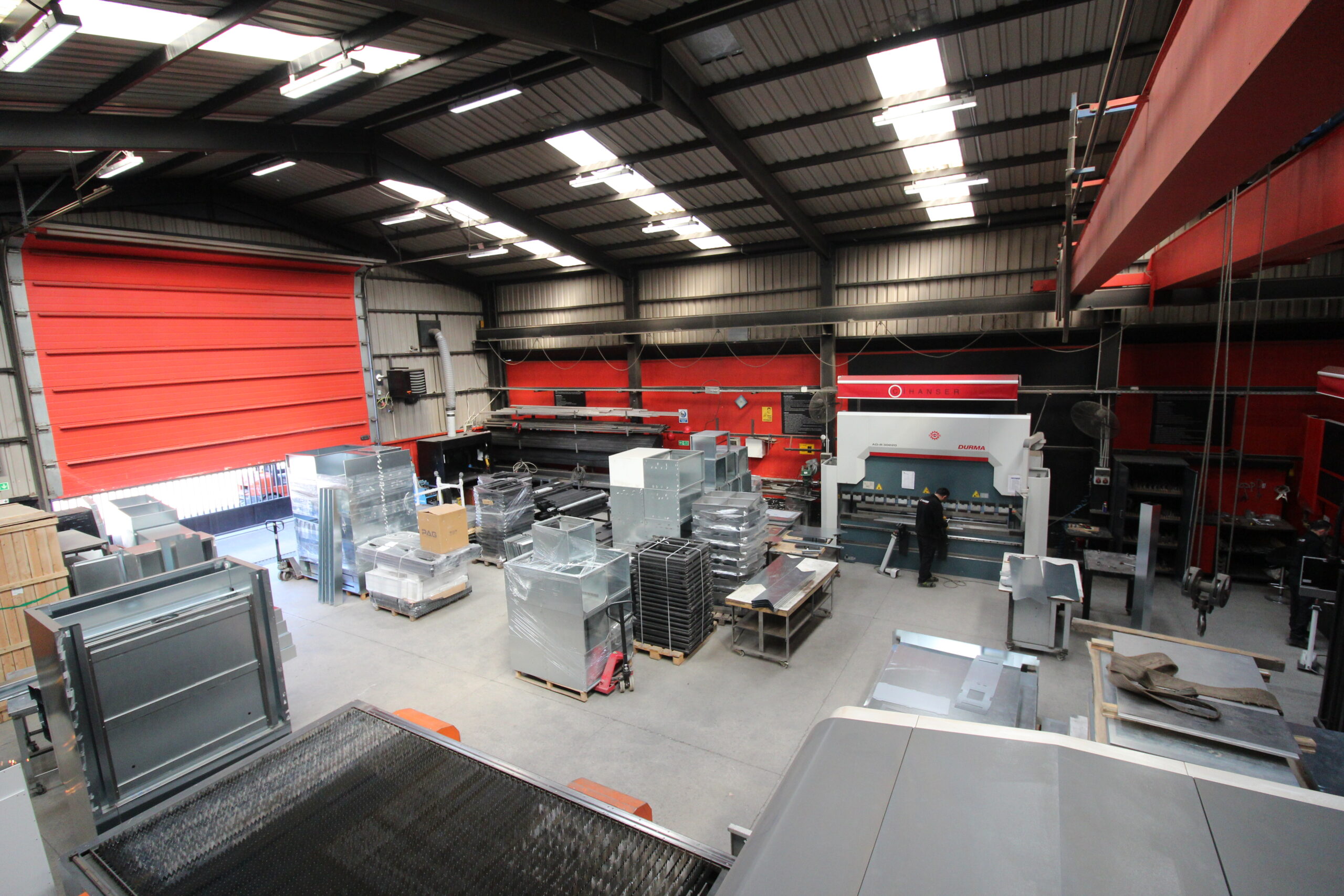
First, let me be clear about one thing: this is not a sale of an “empty workshop.” What’s on offer is a facility that is already up and running, with an established production routine, integrated staff, and operational discipline. Laser cutting, CNC press brake bending, welded fabrication, and sheet metal forming all take place under one roof. That’s a significant advantage for an investor, since these four processes are typically spread across separate facilities with separate teams. Here, everything is integrated.
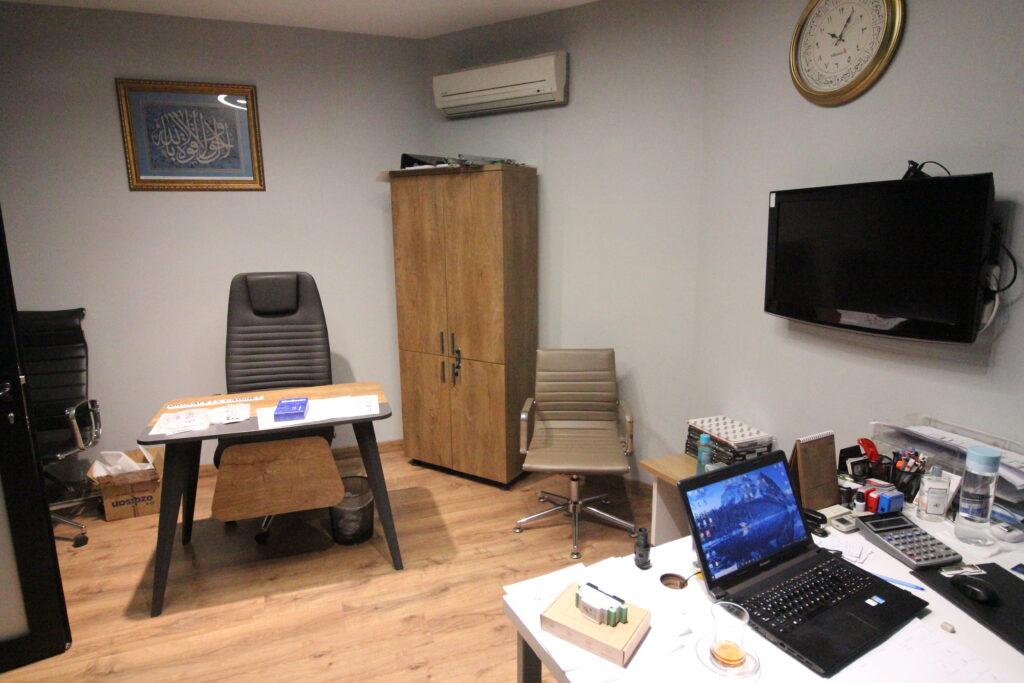
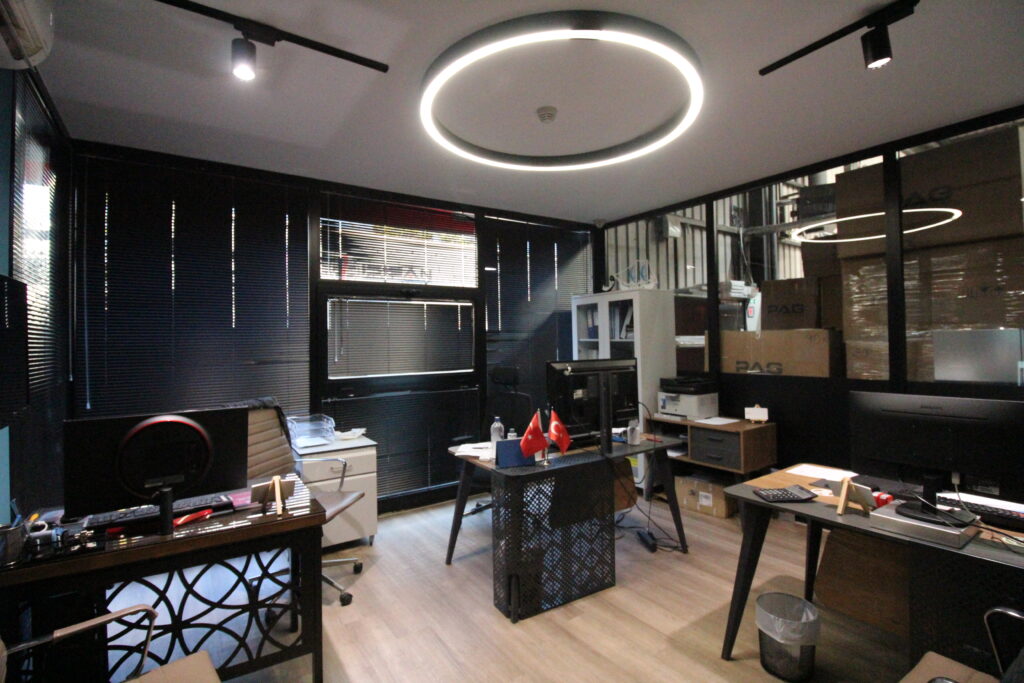
The transfer price has been set at 38,000,000 TL, and in return the buyer isn’t just acquiring four walls — they’re getting a complete production infrastructure, from the fiber laser cutting machine to the forklift, from office furniture to electronic equipment. In other words, the buyer is purchasing a setup they can start producing with from day one. In this kind of turnkey business transfer, the real value doesn’t come from the total price of the machines themselves, but from the fact that they’ve already been installed to work together and the production flow has been tested.
Machine Fleet and Technical Capacity
Now let’s take a closer look at the technical side, since this is really what determines the value of an investment like this.
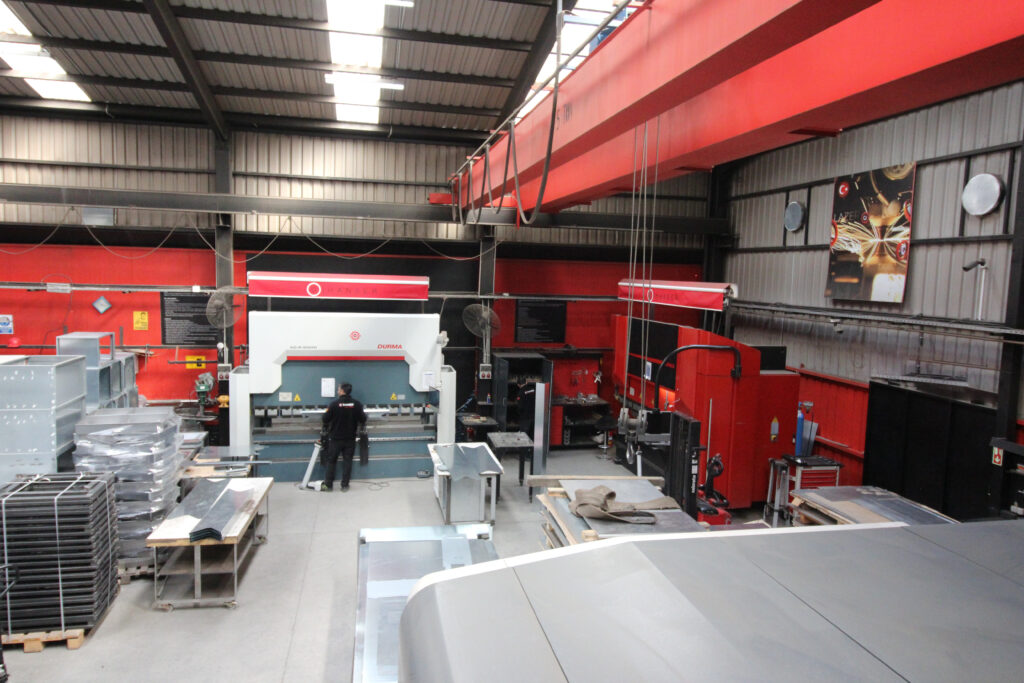
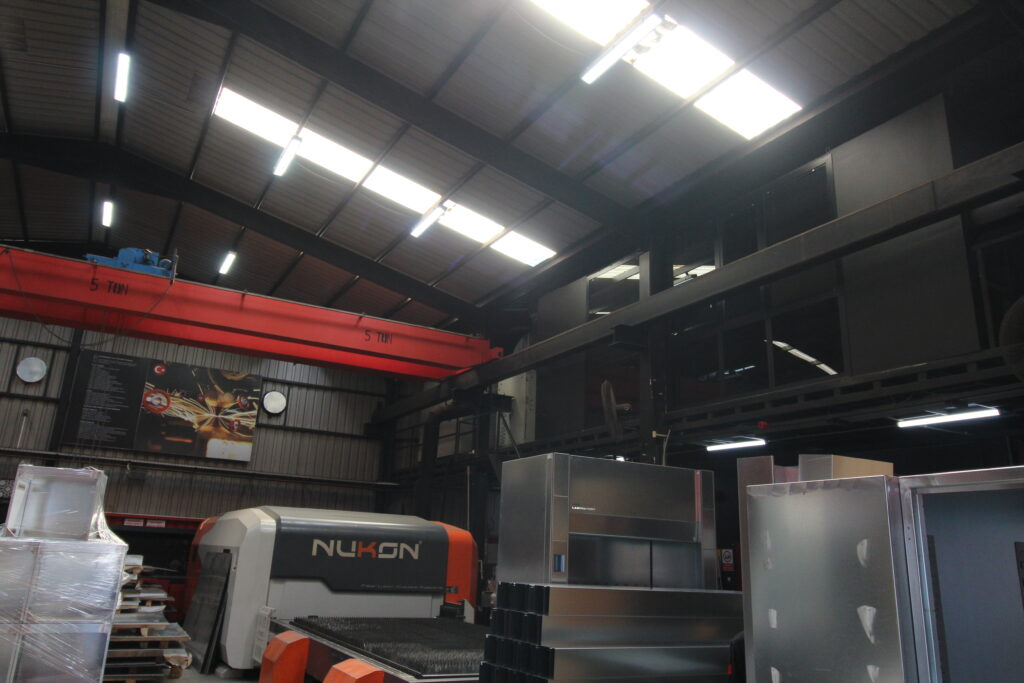
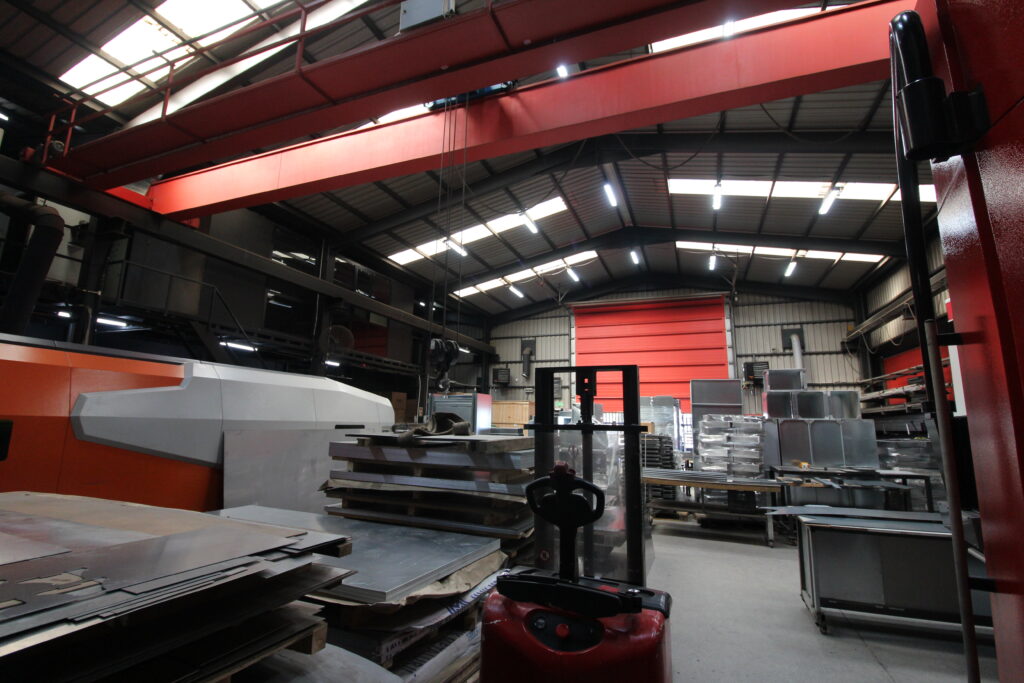
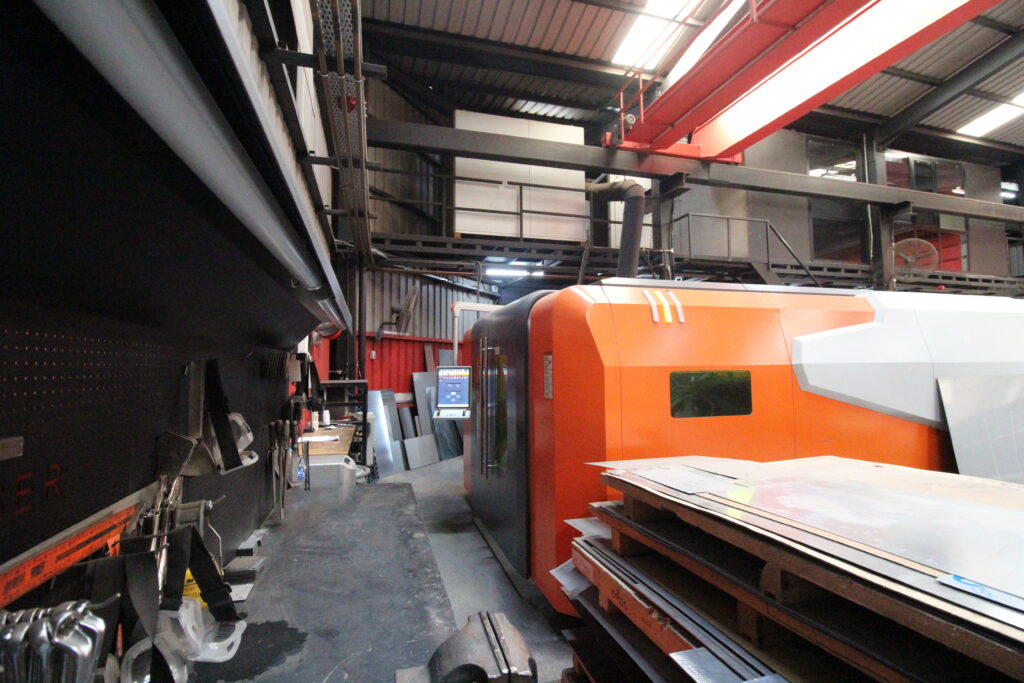
At the heart of the facility is a 6 kW fiber laser cutting machine. This power level allows for efficient cutting of medium-to-thick steel, stainless steel, galvanized steel, and aluminum sheet — meaning the facility isn’t tied to a single material category and can flexibly respond to demand from different sectors. After laser cutting, two 3-meter, 6-axis CNC hydraulic press brakes handle the bending operations with precision. Having two presses is a meaningful detail on its own: it allows for parallel production, and if one machine needs maintenance or breaks down, production doesn’t come to a complete halt.
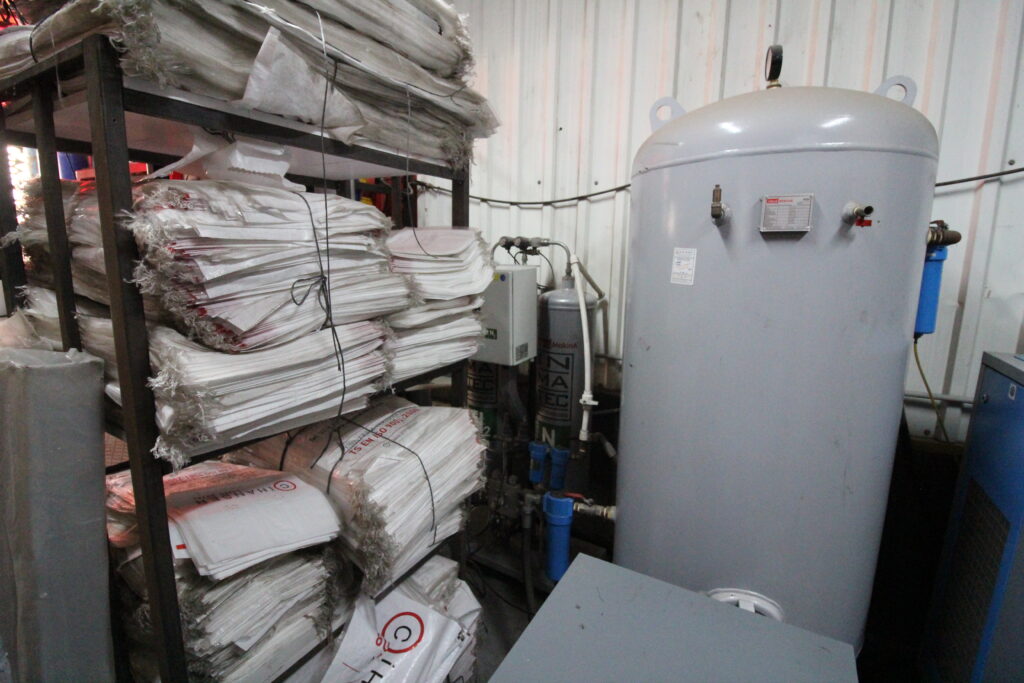
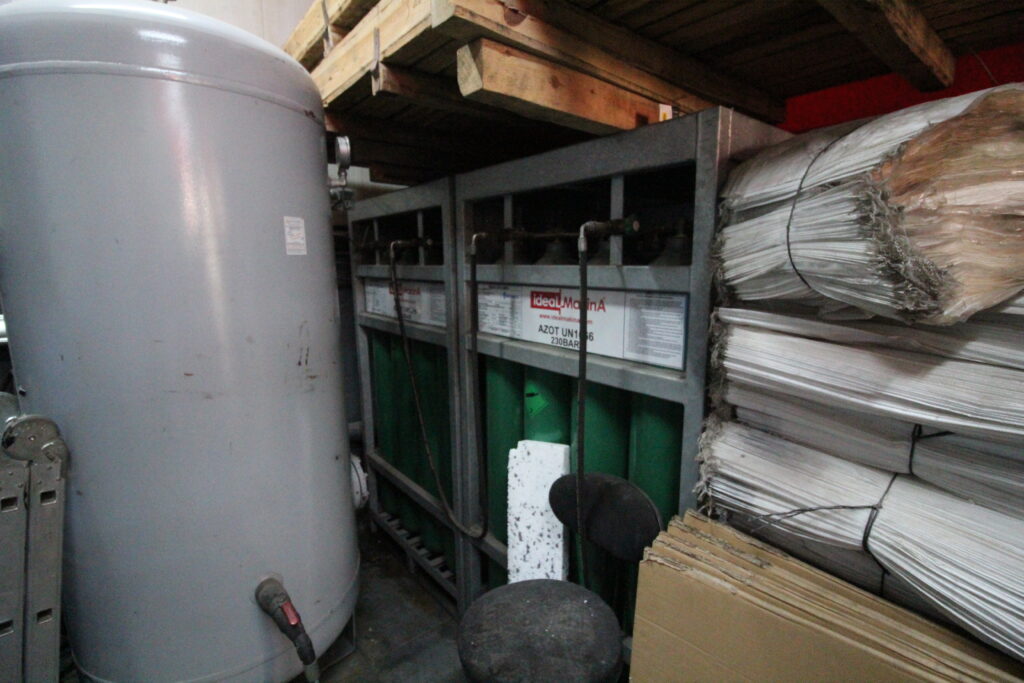
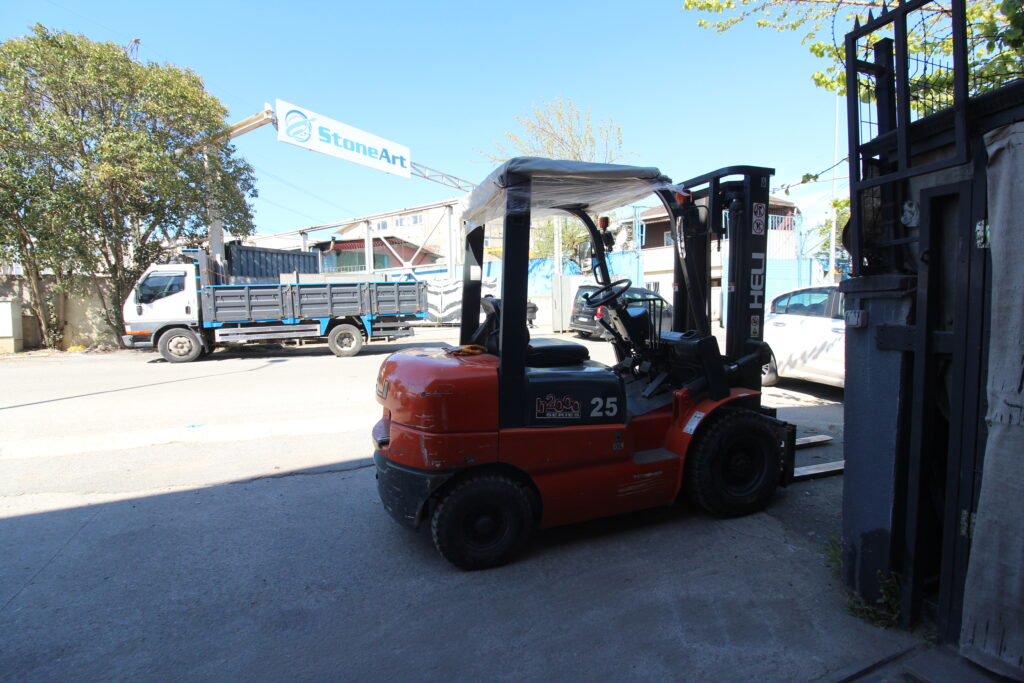
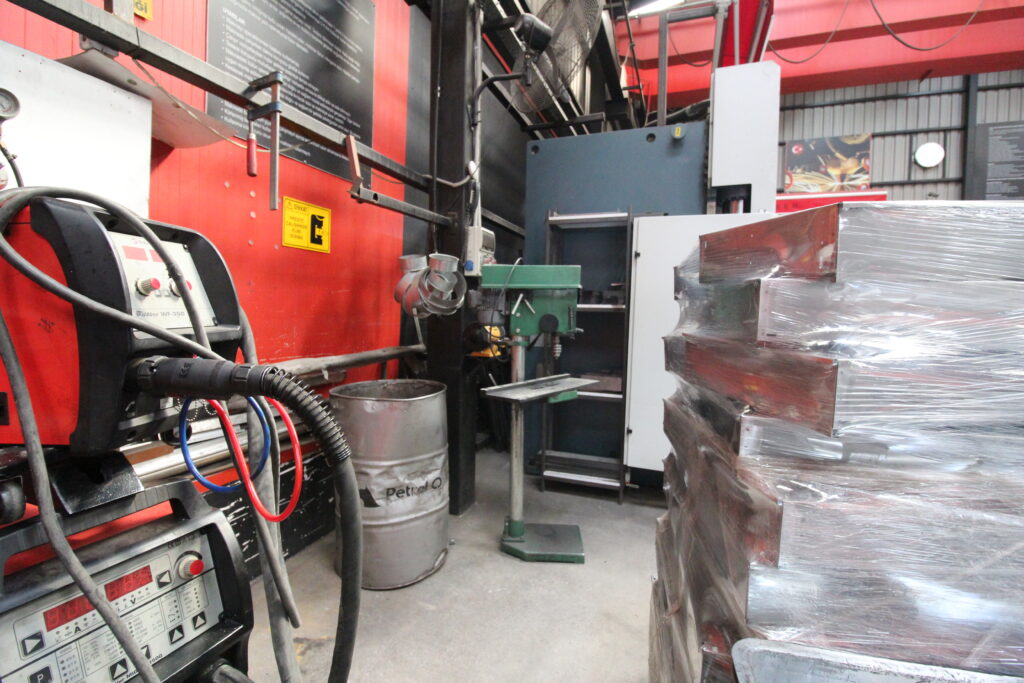
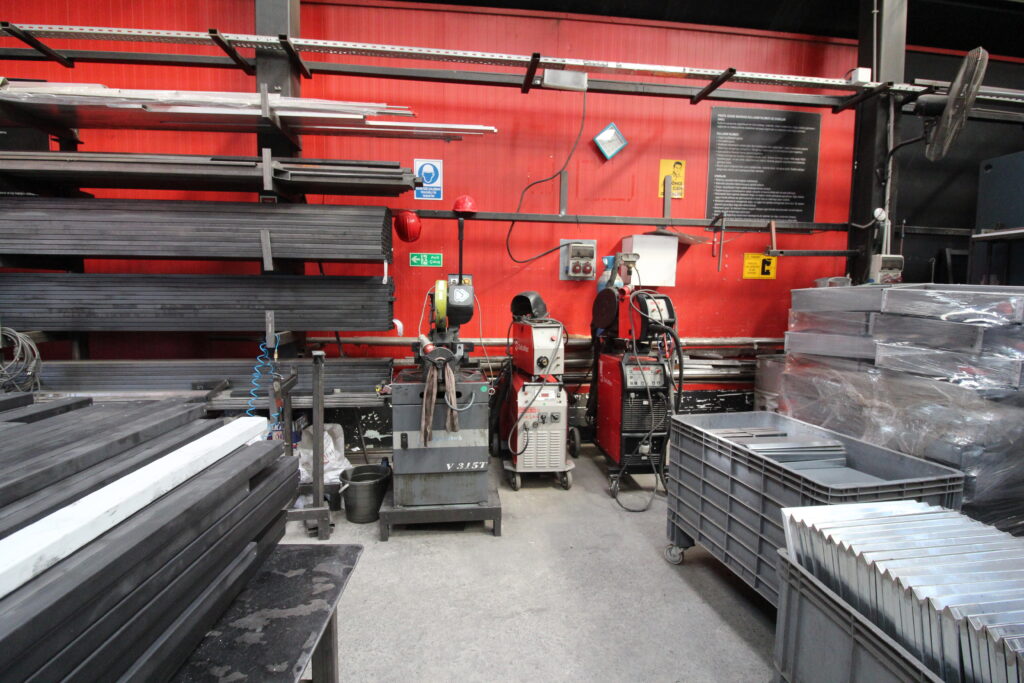
In addition, a diesel forklift, a battery-powered pallet truck, a vibratory surface finishing machine, a compressor system, nitrogen generators, and welding machines are all ready and in place within the facility. The presence of the nitrogen system is particularly worth noting — for businesses that want clean-edge, oxidation-free cuts, especially those working with stainless steel, this isn’t a luxury but close to a necessity. The fact that this detail is part of the portfolio shows that the facility wasn’t built as an average operation, but with a high-quality production standard in mind.
Production Capacity and Operations
In numbers: on a single-shift basis, the facility has an average daily processing capacity of 2-3 tons, or roughly 45-70 tons per month. For a mid-sized metal processing workshop, that’s a solidly healthy production volume. It’s also worth keeping in mind that this figure is achieved on just one shift — capacity could increase substantially if a second shift were added.
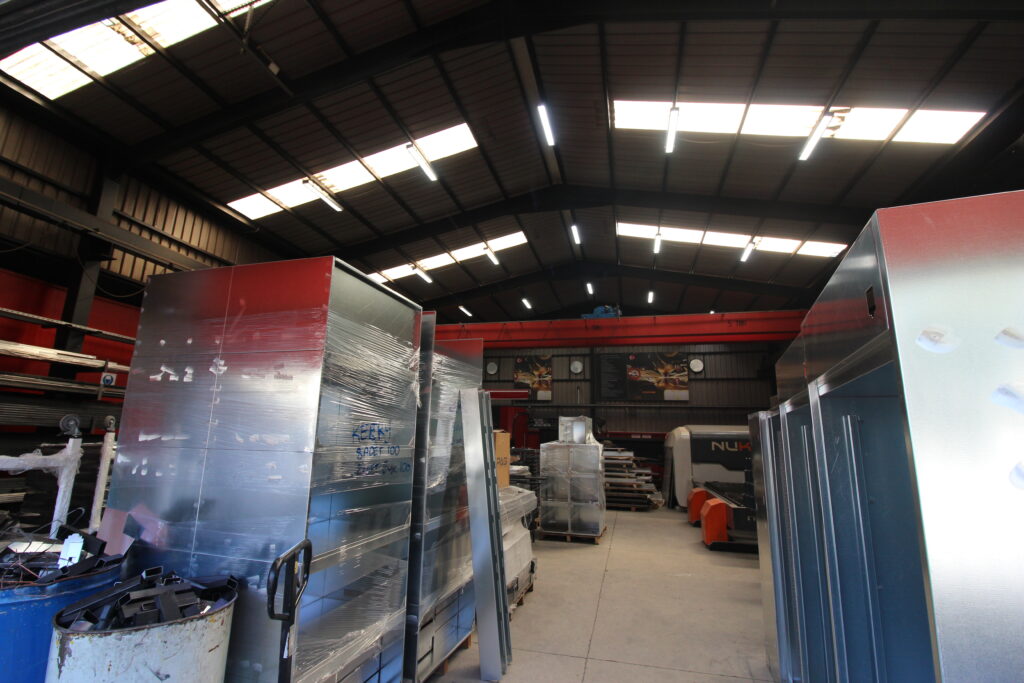
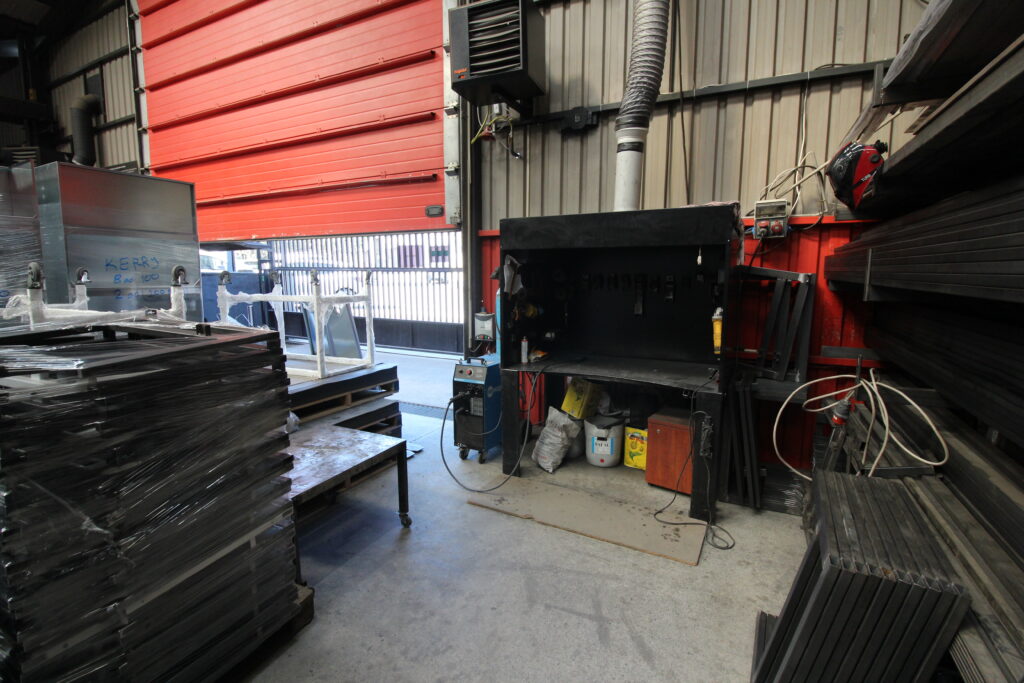
The facility operates with a production team of 8 people and has a 100 kW electrical infrastructure, which is more than sufficient for heavy industrial machinery to run without interruption. A 5-ton capacity crane and 12-meter ceiling height make it easier to move large parts and also mean there won’t be a space constraint if additional machinery investment is made down the line. Interior circulation suitable for forklift use, along with separately planned loading, unloading, and storage areas, is further evidence that the logistics flow was thought through during setup.
Which Sectors Does It Serve?
At this point I ask myself: who would actually benefit from this facility? The answer covers a fairly wide range. The infrastructure is suitable for machinery manufacturing, industrial equipment production, automotive supply, electrical panel systems, ventilation systems, metal construction, and even sub-manufacturing components for the defense industry. It’s a setup that can adapt to different business models, from prototyping to serial production to custom project manufacturing.
There’s an important point worth emphasizing here: the facility isn’t being transferred as machinery and a building alone — it comes with a working production system, an existing customer portfolio, and years of accumulated production know-how. The hardest part of setting up a workshop from scratch is usually winning customers and establishing a stable operation; here, both of those elements are already in place. That means the investor taking over can start generating revenue from the very first day.
The Commercial Real Estate Position of Ferhatpaşa and Ataşehir
Now let’s turn to the location, since a production facility’s value is shaped not only by the machines inside it but by where it sits. Ataşehir has, in recent years, become one of the fastest-developing areas on Istanbul’s Anatolian side, both commercially and industrially. The Ferhatpaşa corridor in particular stands out — alongside its density of plazas and office space, it has also become a concentration point for production, manufacturing, and warehousing real estate.
The appeal of this area comes down to a few key points. Transportation access is a major factor; proximity to the TEM and E-5 highway connections offers both time and cost advantages, whether for sourcing raw materials or shipping finished products across Istanbul and to neighboring provinces. Second, the industrial and commercial ecosystem developing around Ataşehir creates an environment where supplier and customer networks can be built easily. Businesses in sectors like metal processing and sheet metal production generally prefer to locate near one another, since this allows for faster collaboration and quicker response to urgent needs.
On top of that, the limited supply of commercial real estate in the Ferhatpaşa area further increases the value of existing, operational facilities. For an investor looking to build a new production facility, finding suitable land and completing zoning processes can take months or even years — which makes taking over a ready, operational facility like this a strategic choice that eliminates that lost time.
What the Investor Gains by Taking Over
At this point, I want to look at things from the investor’s perspective. The cost of building a production facility from scratch isn’t limited to purchasing machinery. Finding and leasing a building, renovation work, setting up electrical infrastructure, permit and licensing processes, hiring and training staff, and — most importantly — building a customer portfolio can take months, sometimes years. In this facility, all of these steps have already been completed.
A turnkey transfer gives the investor the ability to start production from day one. The existing team of 8, an established production discipline, and ongoing customer relationships significantly reduce the risks compared with a classic from-scratch setup. Of course, as with any investment decision, detailed due diligence is still necessary — machine maintenance history, financial records, existing contracts, and so on — but structurally, what’s being presented here is a ready and functioning production capability.
Final Word
This laser cutting and sheet metal processing facility along the Ataşehir–Ferhatpaşa corridor stands out as a notable opportunity, both for its technical setup and its location. With a 6 kW fiber laser cutting machine, dual CNC press brakes, robust electrical infrastructure, and a high-ceiling production space, it offers a technically ready structure — while its strategic position within Ataşehir’s growing commercial and industrial fabric adds a regional advantage on top of that. For investors looking to operate in metal processing, automotive supply, electrical-electronics, or industrial equipment manufacturing — or to expand existing production capacity — I believe this is a portfolio worth serious consideration.
Anyone interested in learning more, viewing the facility in person, or discussing next steps is welcome to get in touch with me.